Róisín Dubh, — A Song Still Speaking Across Generations
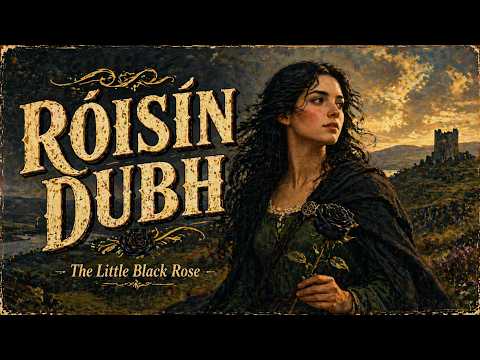
Why It Still Matters
There’s a simple power to a song that can be a love song and a map of loss at the same time. Róisín Dubh, with its image of 'my Róisín Dubh' and lines like 'Oh! my sweet little rose', sits in that curious place between private longing and public voice. People still sing it because it carries both personal ache and a sharper, political edge — so the tune never feels trapped behind glass.
In modern Ireland and among the diaspora the piece functions like a mirror. A young player in Galway will bring a different ornamentation to a sean-nós line than a band in New York, but both pick up the same mood: yearning, defiance and tenderness. Those moods travel well. Emigration and return, memory and reimagining — listeners find in the song a vocabulary for homesickness or pride, sometimes in the same breath.
Adaptability is a big part of its staying power. The melody’s clarity leaves room: a harpist can make it sparse and intimate; a fiddler can thickened it into danceable grief; a rock arrangement can make it urgent and combative. That flexibility keeps Róisín Dubh in the repertoire of pub sessions, protest marches, commemorations and quiet living-room singalongs. It’s not a museum piece because players still shape it to speak to now.
And then there’s the language of metaphor. Calling Ireland a 'little rose' is tender and fierce at once. When a singer declares they'd make the 'queen of that wide world' out of her, it reads as romantic vow and political claim. For many in the Irish world, especially those whose families settled abroad, that double meaning is how they talk about belonging — both the country you left and the country you carry inside you.
So you’ll hear Róisín Dubh at wakes and on stages, in recordings and on improvised nights. It survives because people keep finding fresh reasons to sing it, and because it gives them a language for longing that never sounds stale. That’s why, after all these years, it still matters.
Love this song? Follow along on Traditional Irish Music on Spotify for more in the same vein.
Visit Virtual Magic Music for our growing collection of Irish song features.
Comments
Post a Comment